FIVE VIEWS
Mt. Fuji is in the window along five stretches
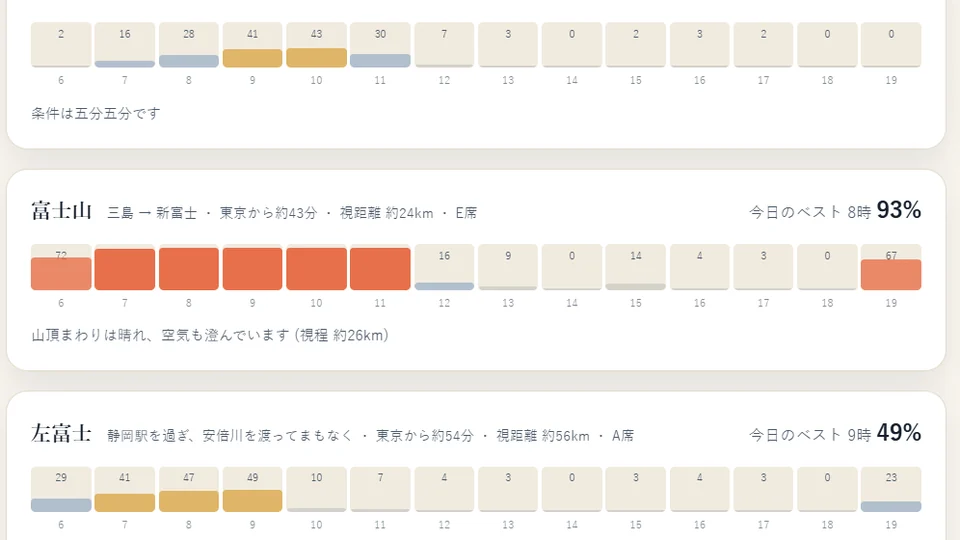
Which side? Heading to Kyoto the mountain is on the right; heading back to Tokyo it is on the left. Either way the seat is Seat E (Green Car: Seat D). The biggest, longest view is from Mishima to the Fujikawa River: about 43–47 minutes after Tokyo on a Nozomi, about 1h40m from Shin-Osaka (1h25m from Kyoto), with the window full for roughly 3–4 minutes. Best odds are clear winter mornings.
There is more than that one stretch: Fuji over the Sagami Plain, the brief Left-side Fuji from Seat A, and a small, distant Fuji from central Tokyo and from beyond Lake Hamana. Riding on a Japan Rail Pass? Hikari and Kodama times differ from the Nozomi figures above.
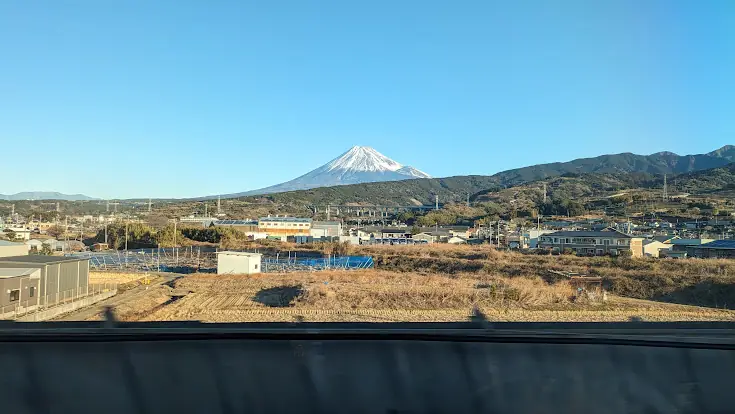 ~25–27 minSeat E
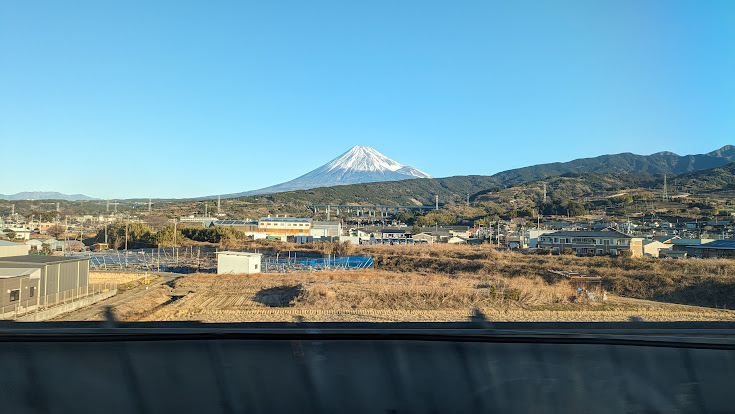
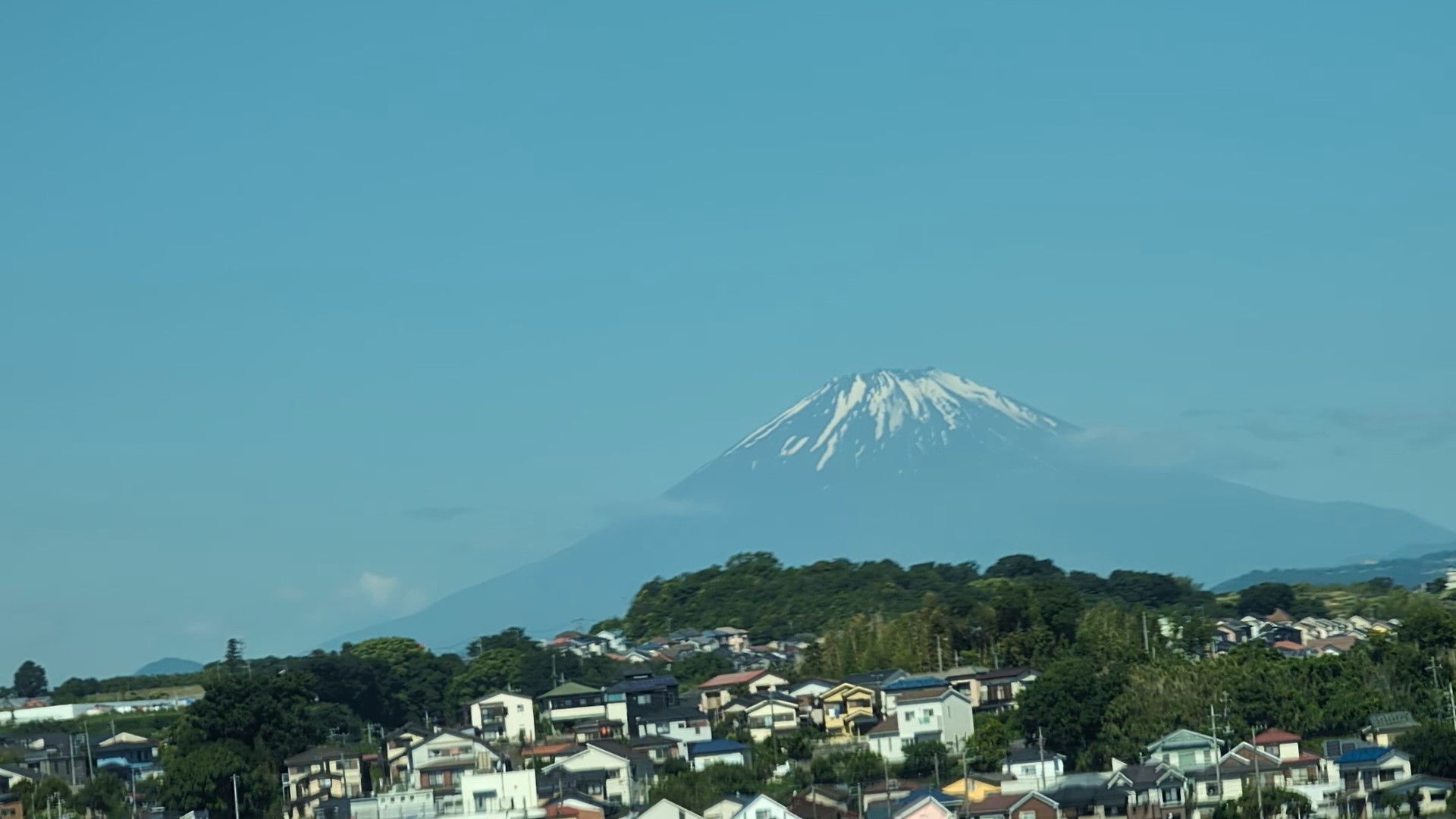
Fuji over the Sagami Plain
The whole mountain beyond the plain and the Tanzawa ridges. About a minute; sharpest on winter mornings.
~25–27 minSeat E
Fuji over the Sagami Plain
The whole mountain beyond the plain and the Tanzawa ridges. About a minute; sharpest on winter mornings.
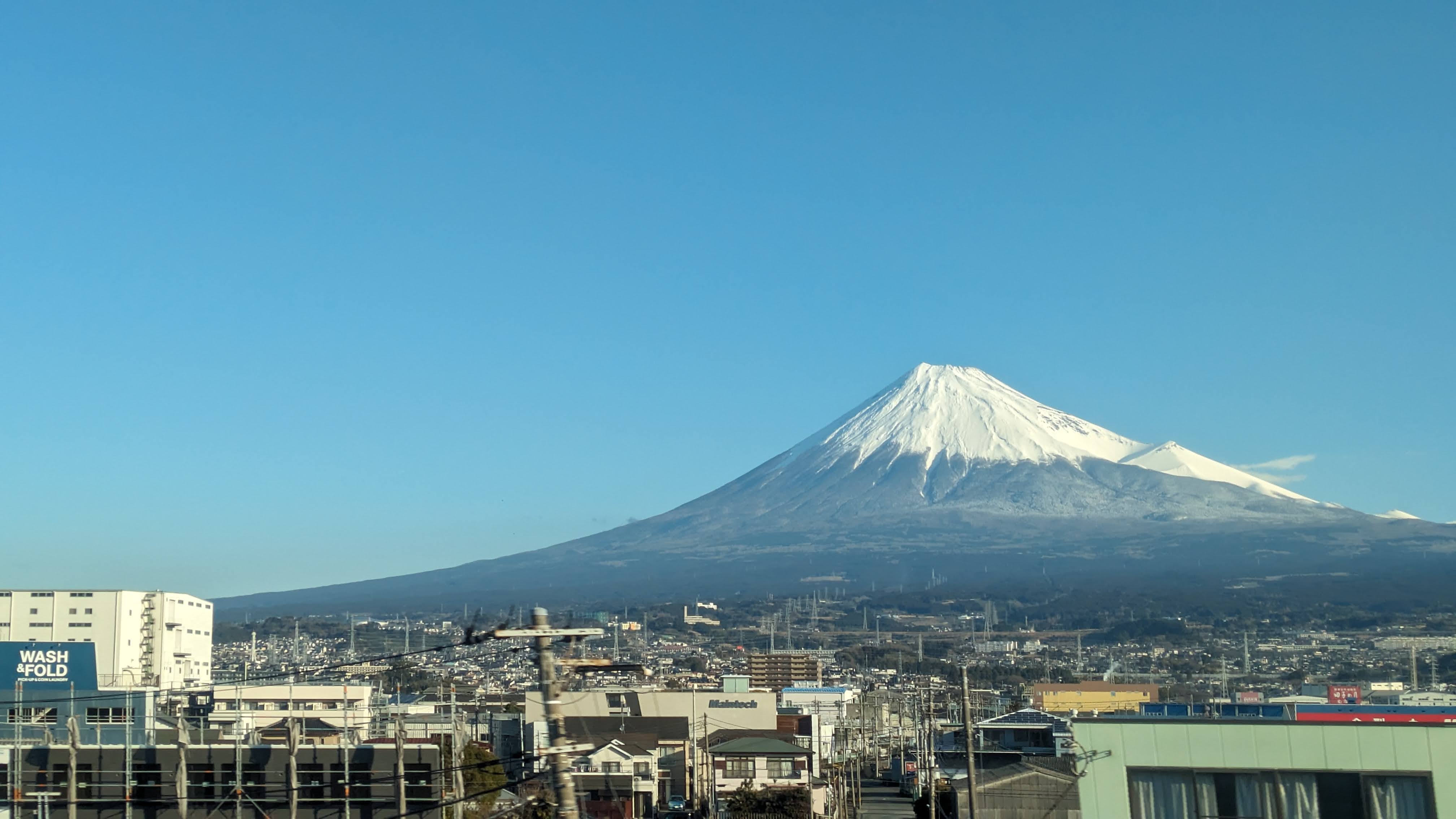
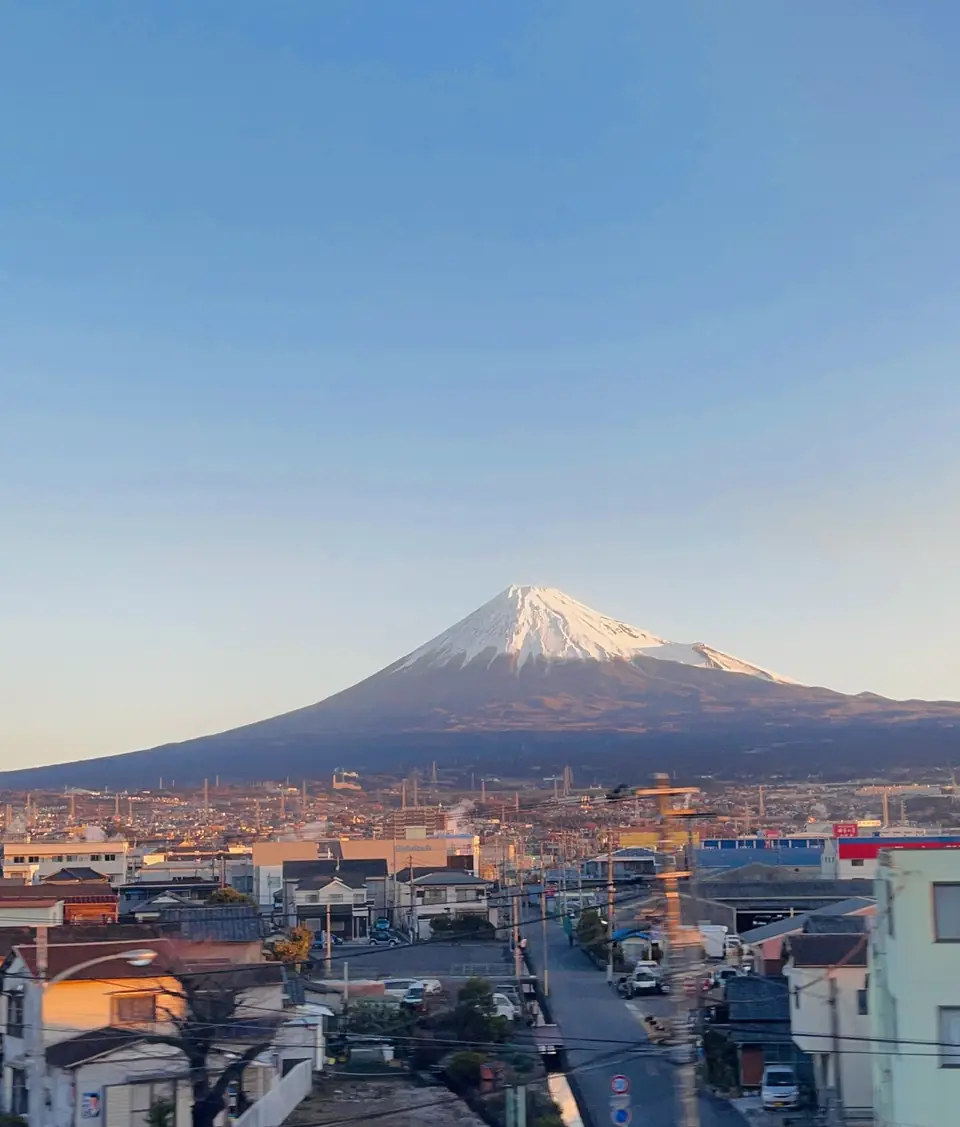
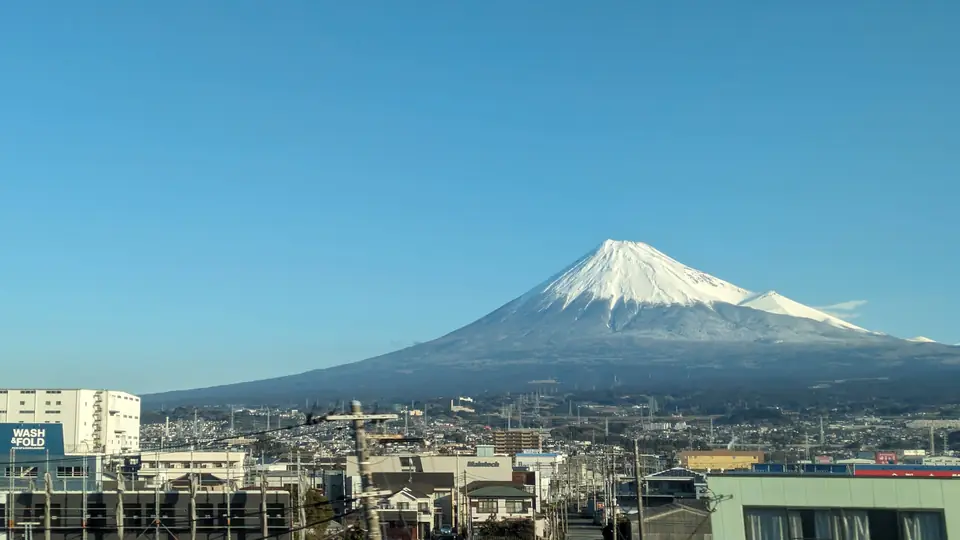 ~43–47 minSeat E
Mishima to the Fujikawa River
Closest and longest: about three and a half minutes with the window full, while only the foreground changes.
~43–47 minSeat E
Mishima to the Fujikawa River
Closest and longest: about three and a half minutes with the window full, while only the foreground changes.
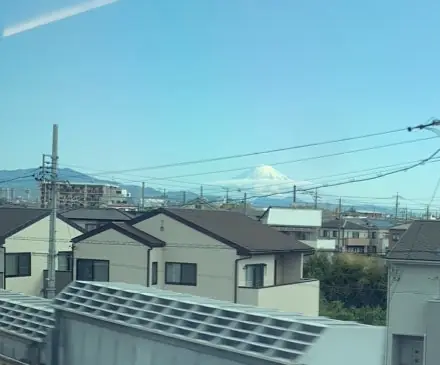 ~54 minSeat A
Left-side Fuji
For a few seconds the mountain swings round to the opposite window. Edo-era travelers prized it.
~54 minSeat A
Left-side Fuji
For a few seconds the mountain swings round to the opposite window. Edo-era travelers prized it.
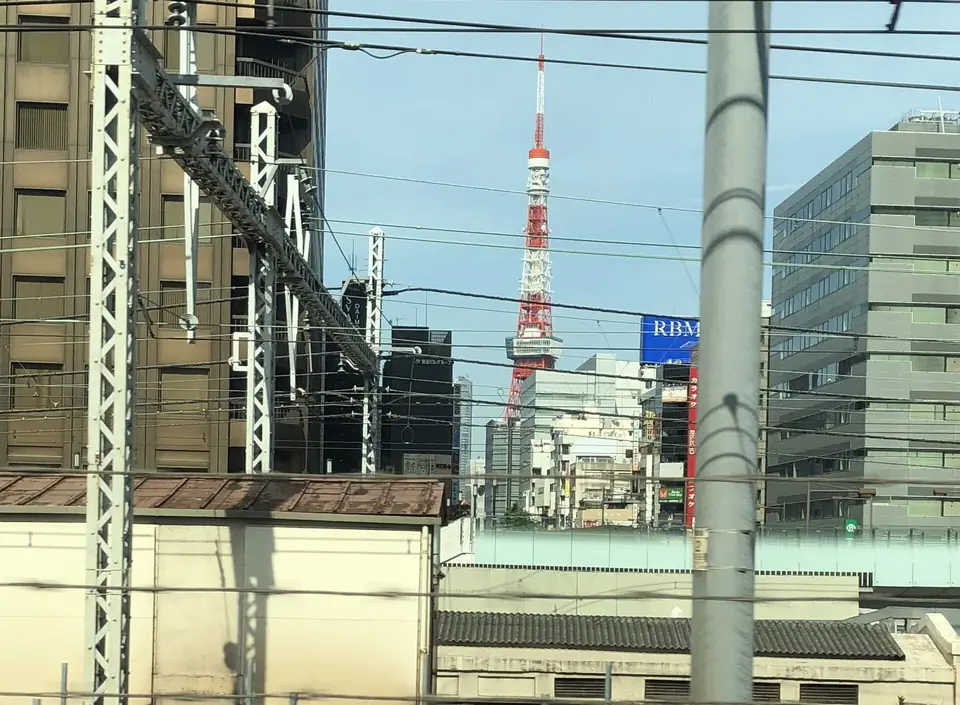
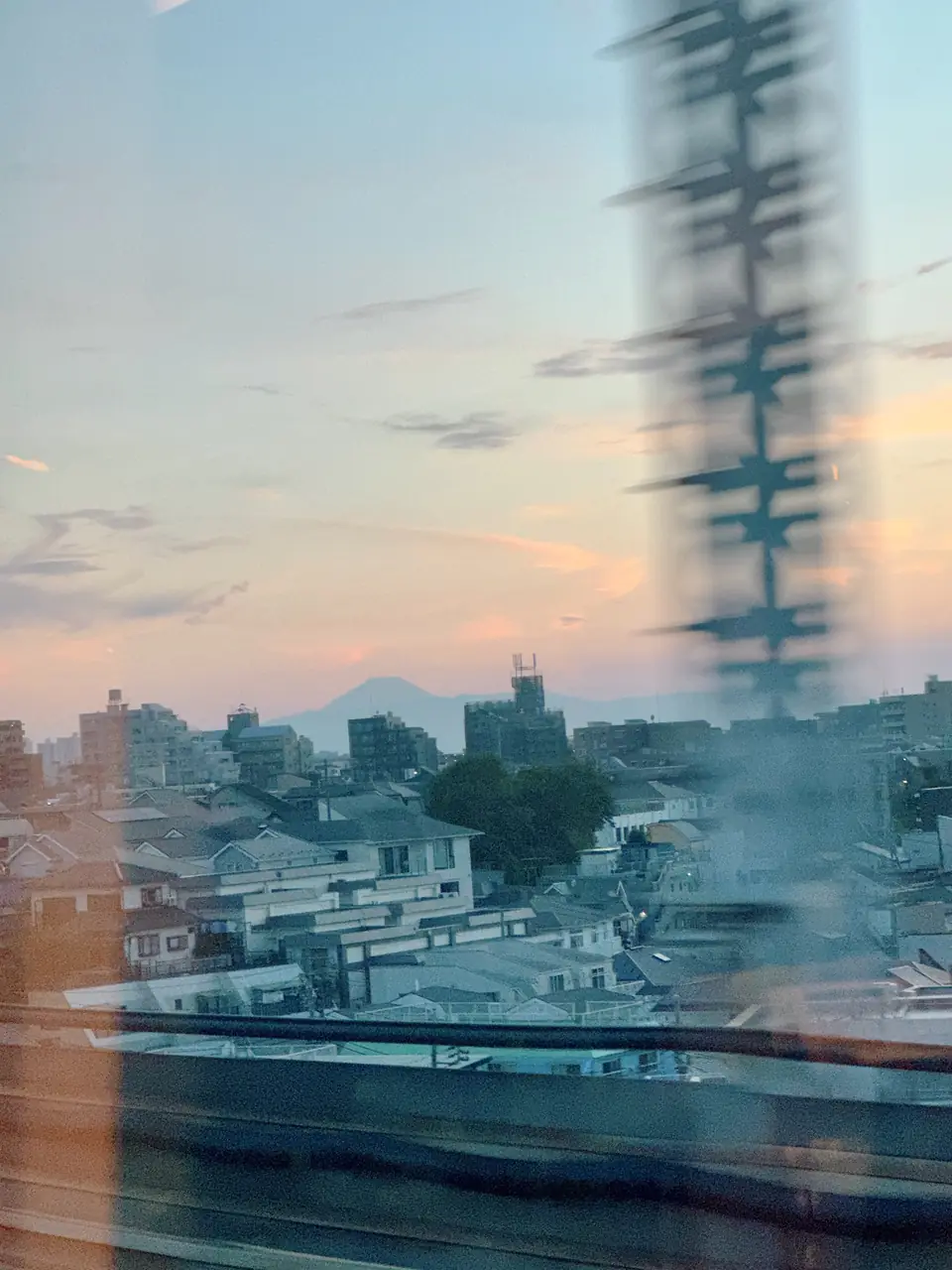 ~10 minSeat E
Fuji from central Tokyo
Small, beyond the city, just after Shinagawa: the earliest signal of the trip. Photo @T_Yangyang
~10 minSeat E
Fuji from central Tokyo
Small, beyond the city, just after Shinagawa: the earliest signal of the trip. Photo @T_Yangyang
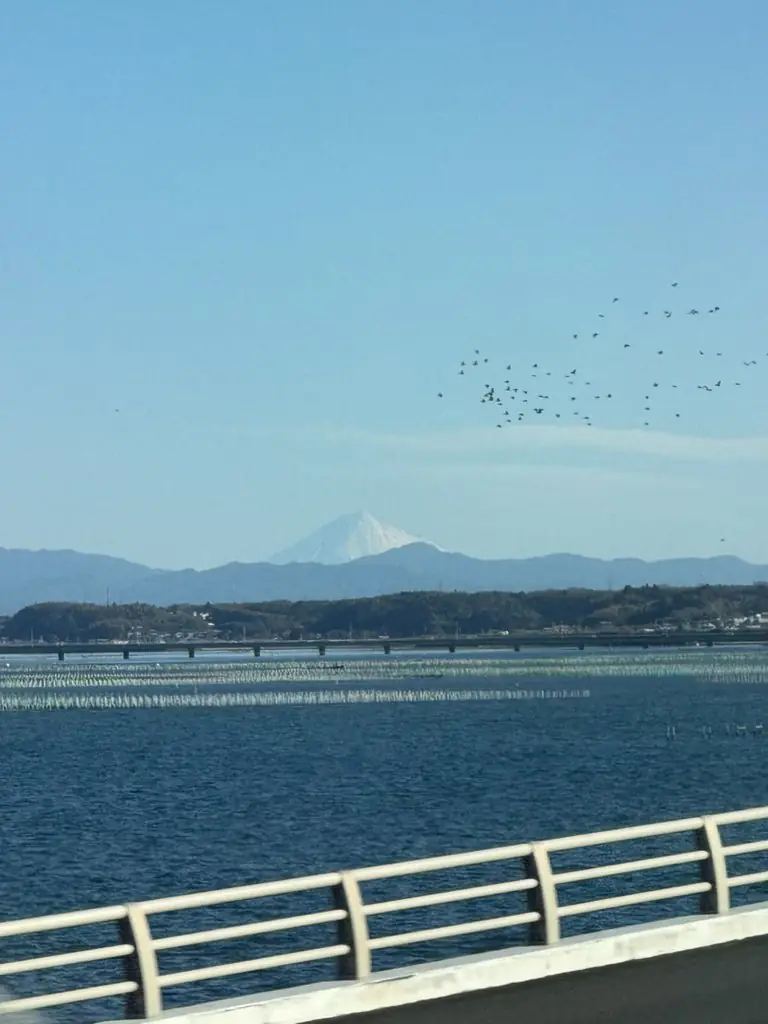 ~73 minSeat E
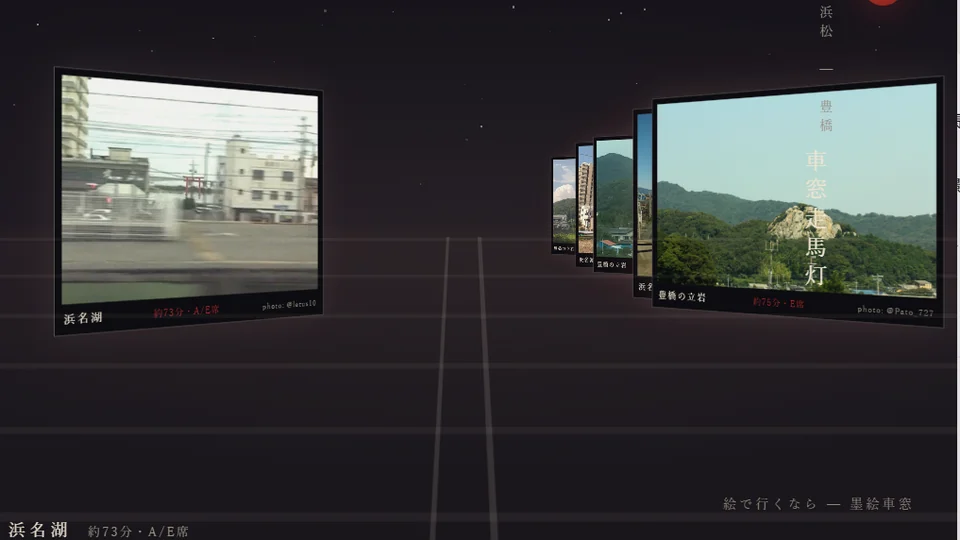
Fuji beyond Lake Hamana
Tiny and far across the lake: one last look back after you have passed the mountain. Photo @ProBoffin
~73 minSeat E
Fuji beyond Lake Hamana
Tiny and far across the lake: one last look back after you have passed the mountain. Photo @ProBoffin
FOREGROUNDS
On the longest stretch, the foreground keeps changing
From Mishima to the Fujikawa River, Mt. Fuji does not come and go. It simply stays in the window for about four minutes. What moves is the foreground: town, red-and-white chimneys, then the river and a row of white arches. The two photos below are the same mountain over different foregrounds, both from Seat E.
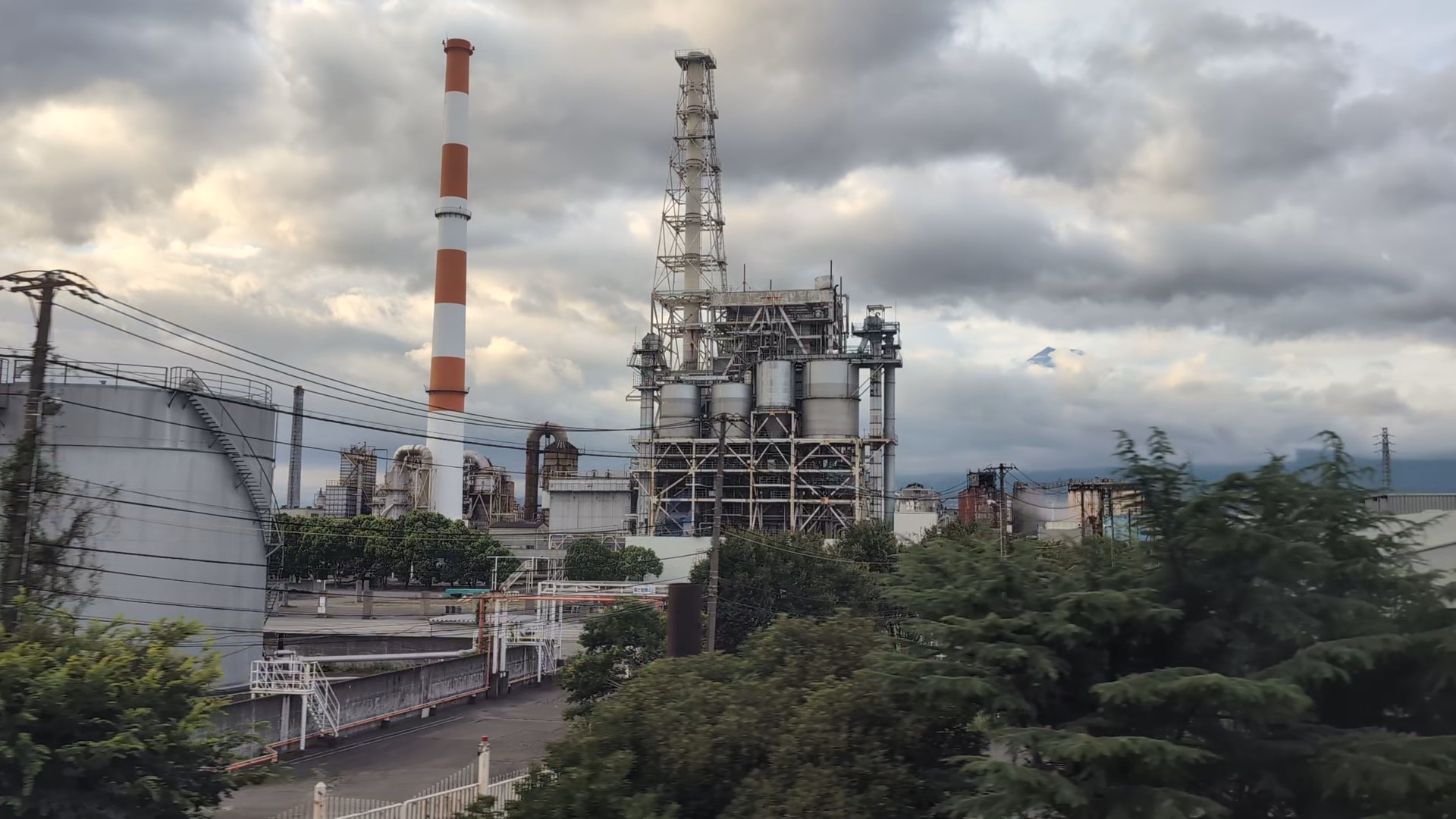
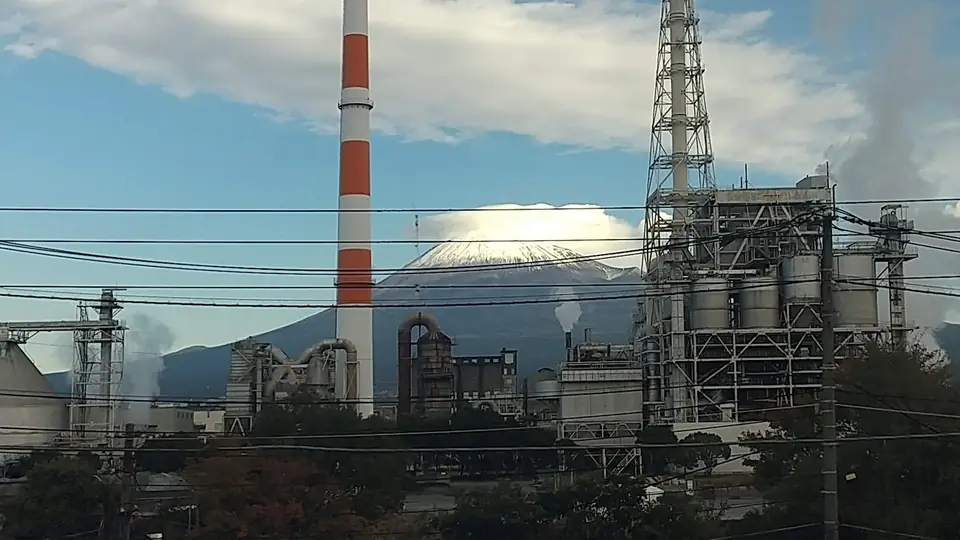 ~44 minSeat E
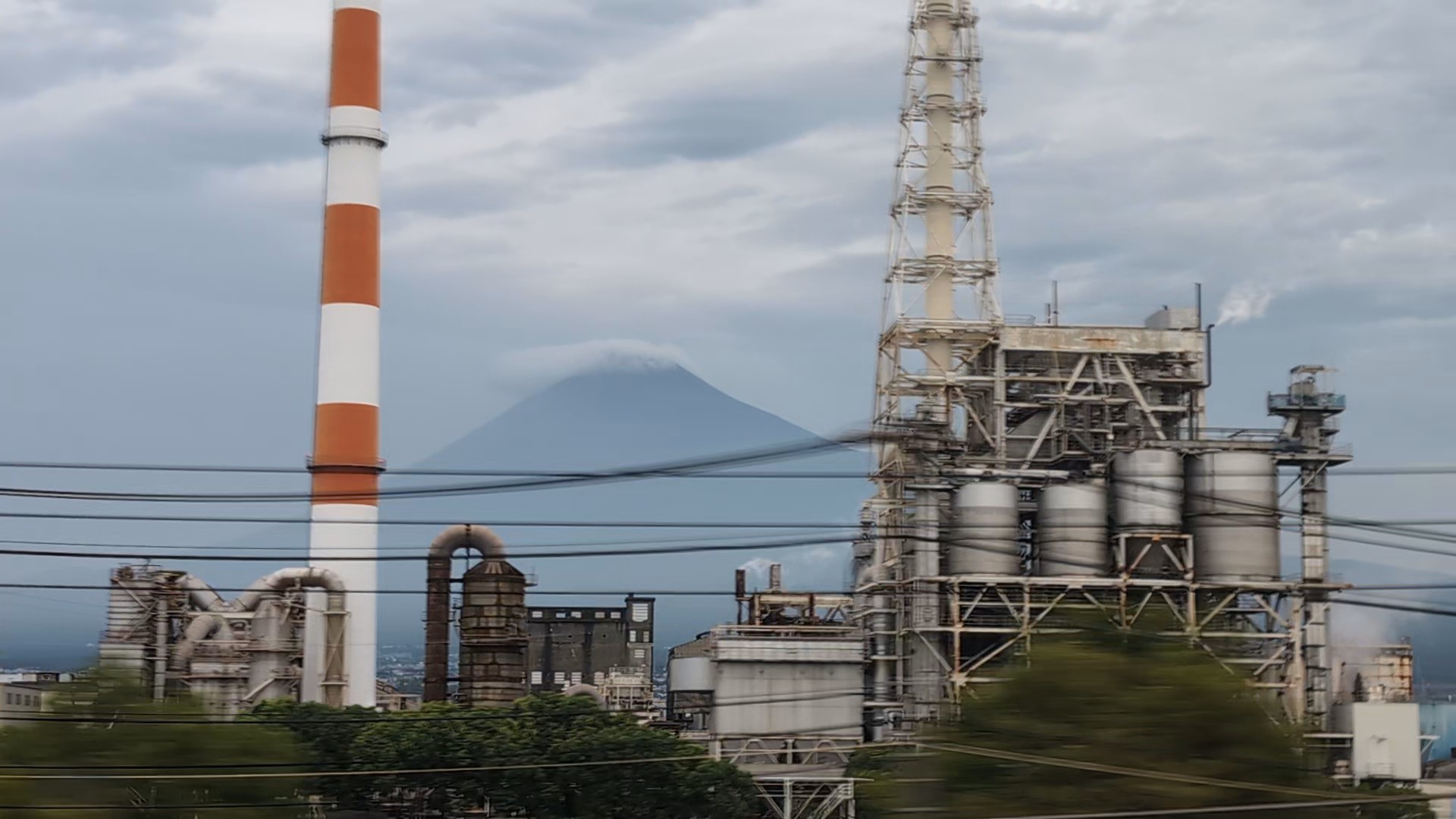
~44 min · Behind the chimneys
Red-and-white chimneys slide into view. Why are there paper mills at the foot of Mt. Fuji? Photo @OliverinJapan
~44 minSeat E
~44 min · Behind the chimneys
Red-and-white chimneys slide into view. Why are there paper mills at the foot of Mt. Fuji? Photo @OliverinJapan
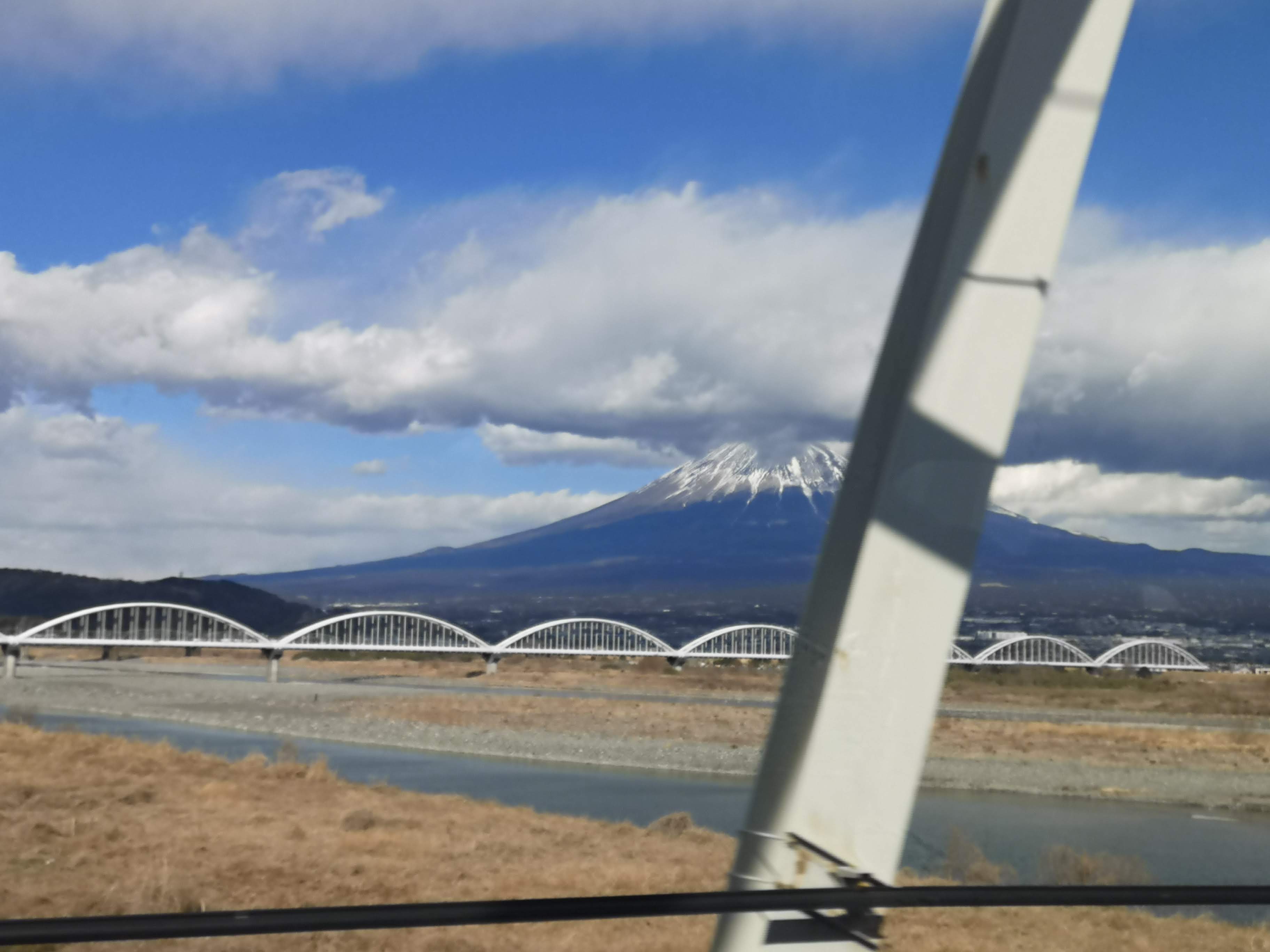
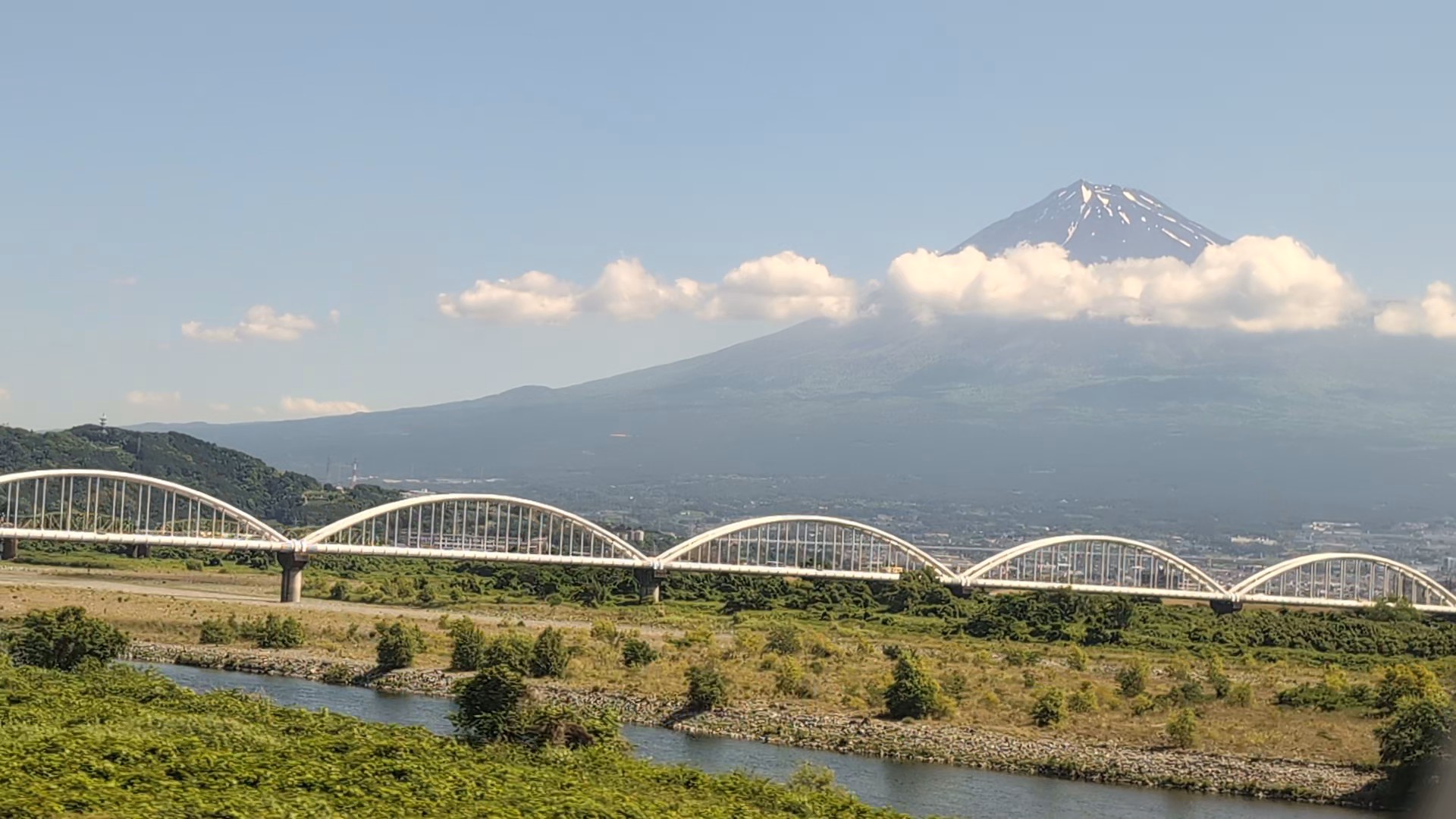
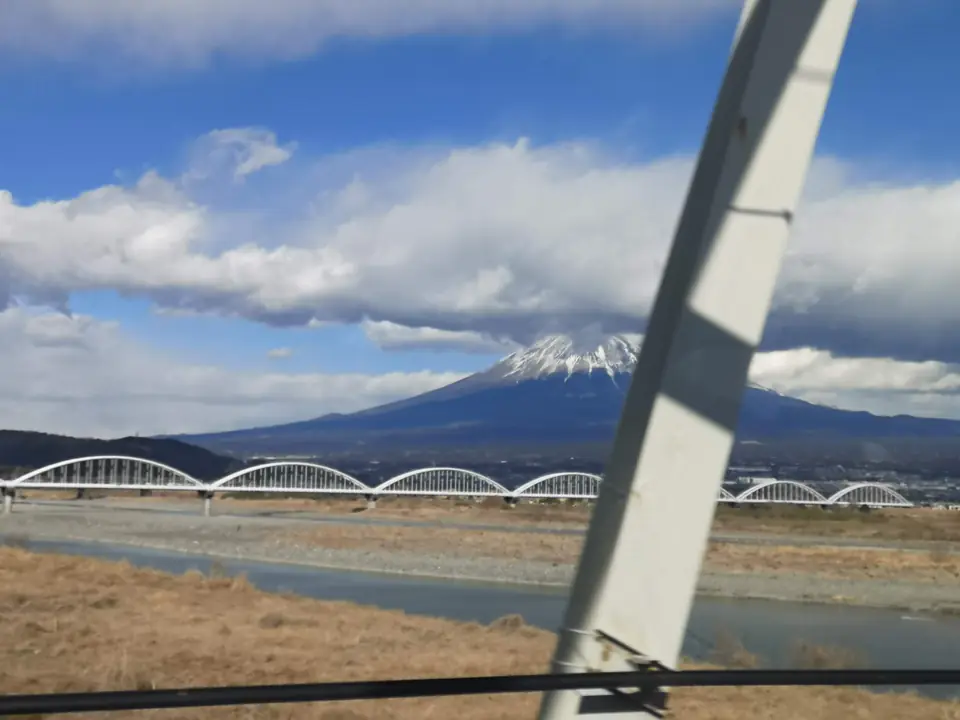 ~47 minSeat E
~47 min · Over the white arches
The finale: river, ten white arches and the mountain in one frame. Best from winter into early spring.
~47 minSeat E
~47 min · Over the white arches
The finale: river, ten white arches and the mountain in one frame. Best from winter into early spring.
SEASONS & HOURS
The same mountain looks different by season and hour
Even from the same window, Mt. Fuji changes with the season and the time of day. Snow covers it from late autumn to early summer. In summer it is bare and softens into the sky; as the sun goes down, only the ridgeline is left against it.
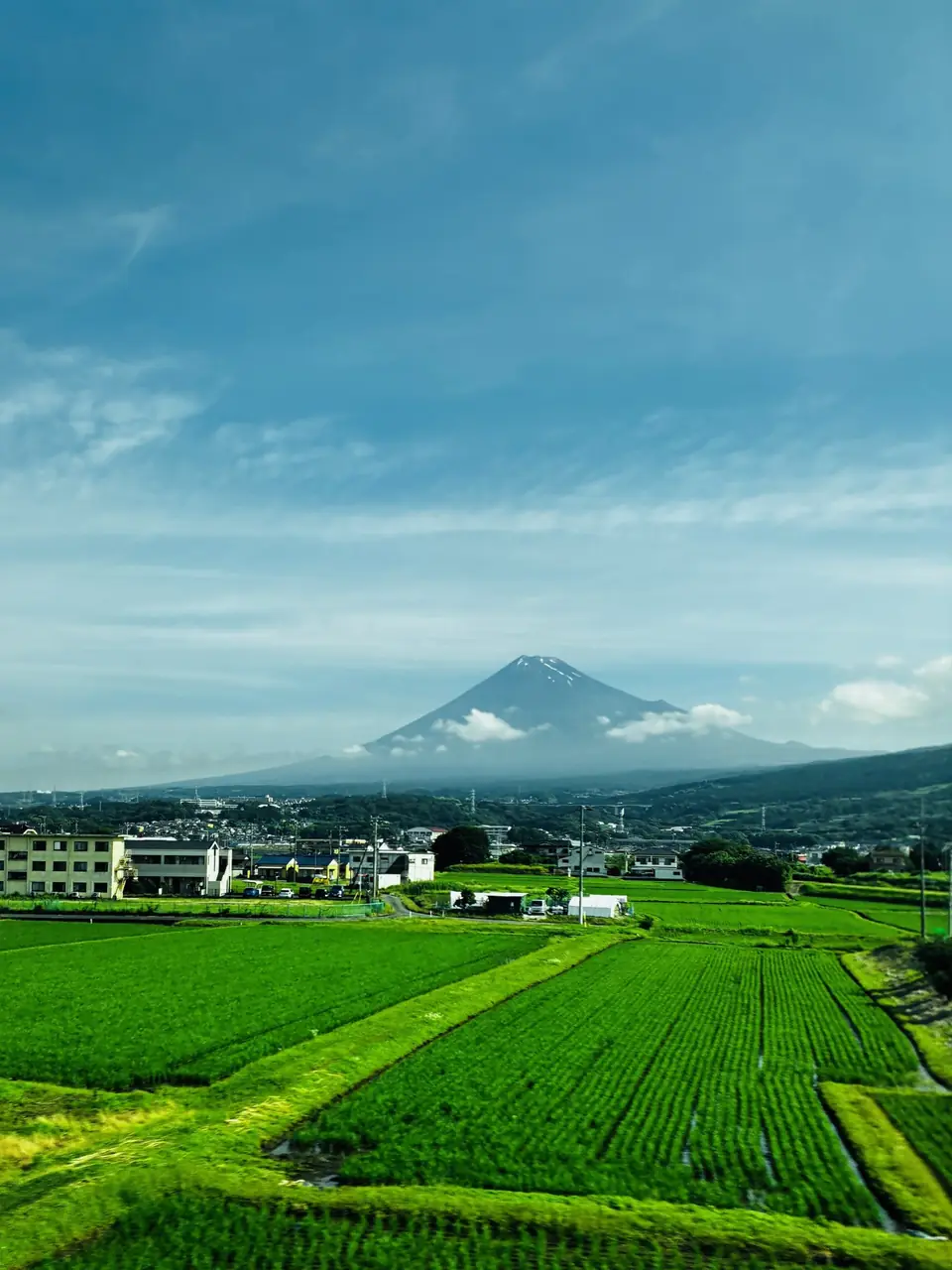 Early summer · Green rice fields
June, when the young rice and the mountain contrast most. Photo @STTraveler
Early summer · Green rice fields
June, when the young rice and the mountain contrast most. Photo @STTraveler
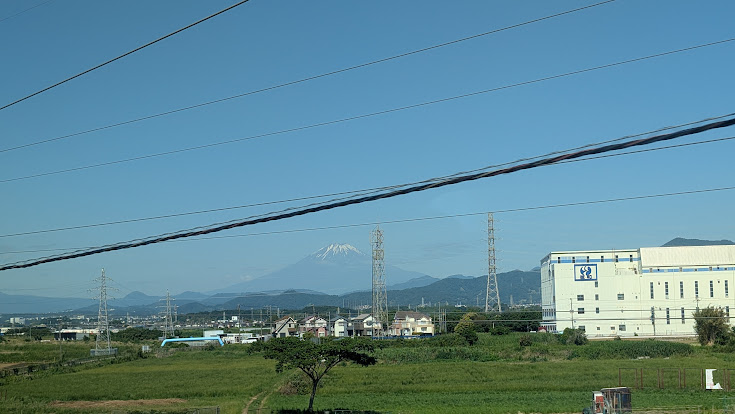
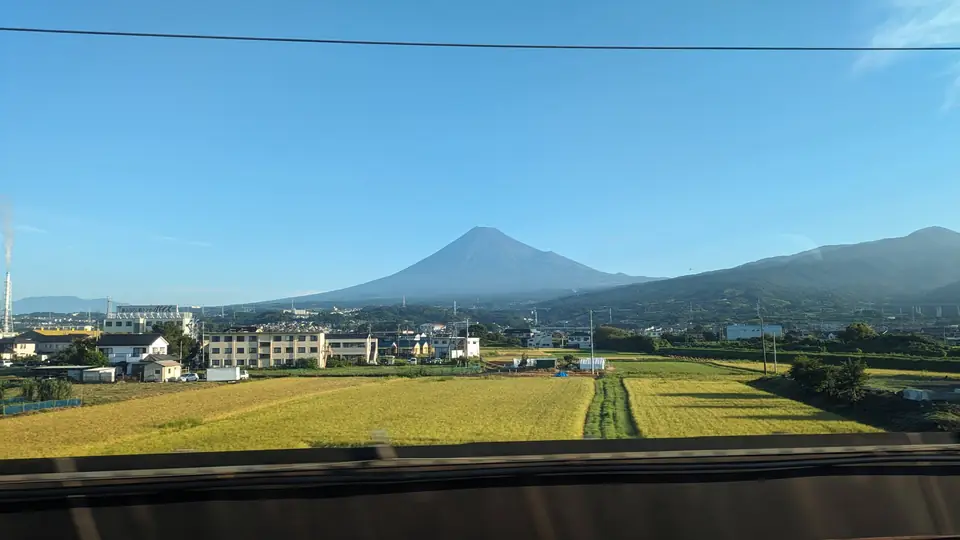 Early autumn · No snow
September: a snowless Fuji above golden fields looks like a different mountain.
Early autumn · No snow
September: a snowless Fuji above golden fields looks like a different mountain.
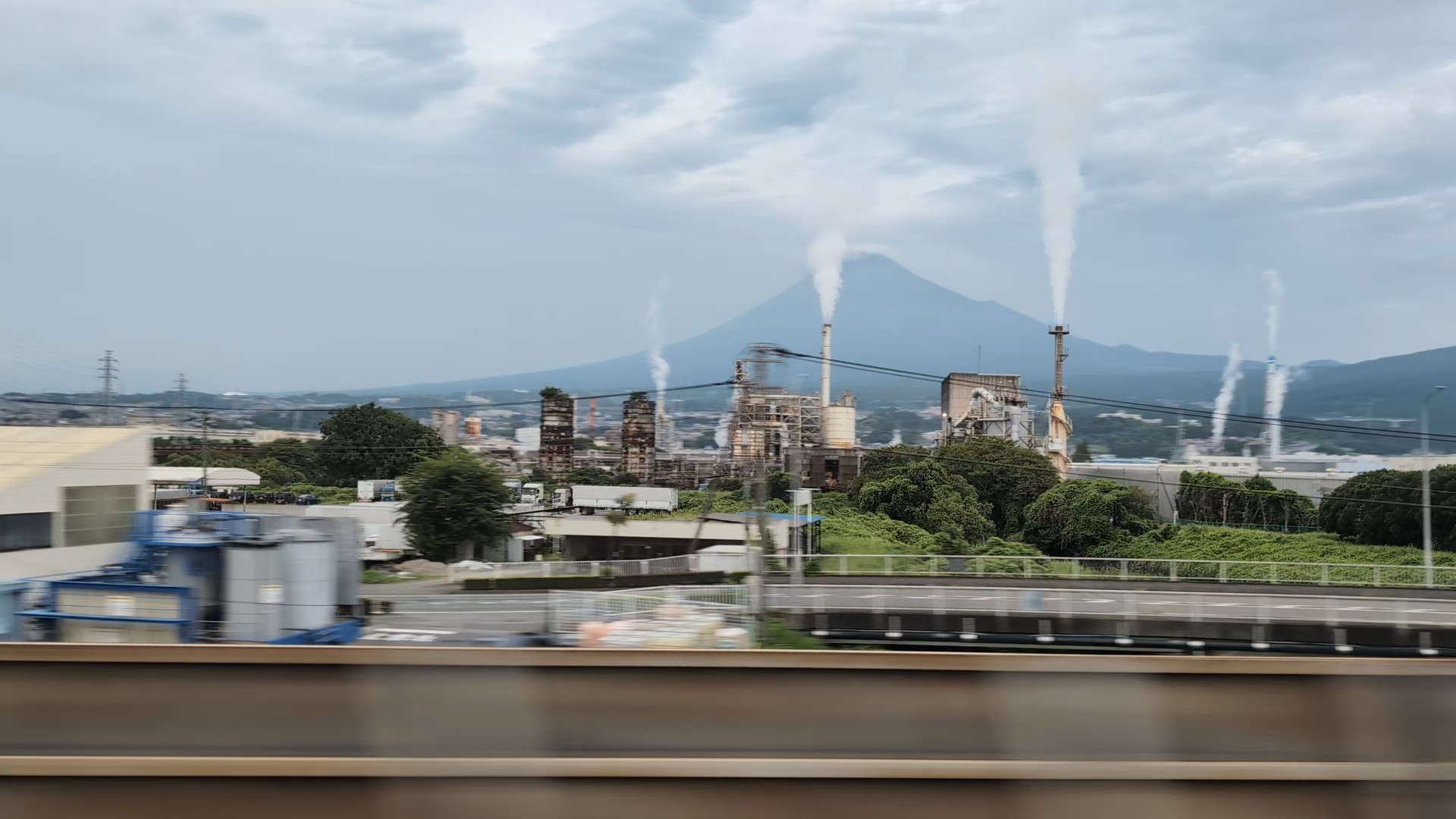
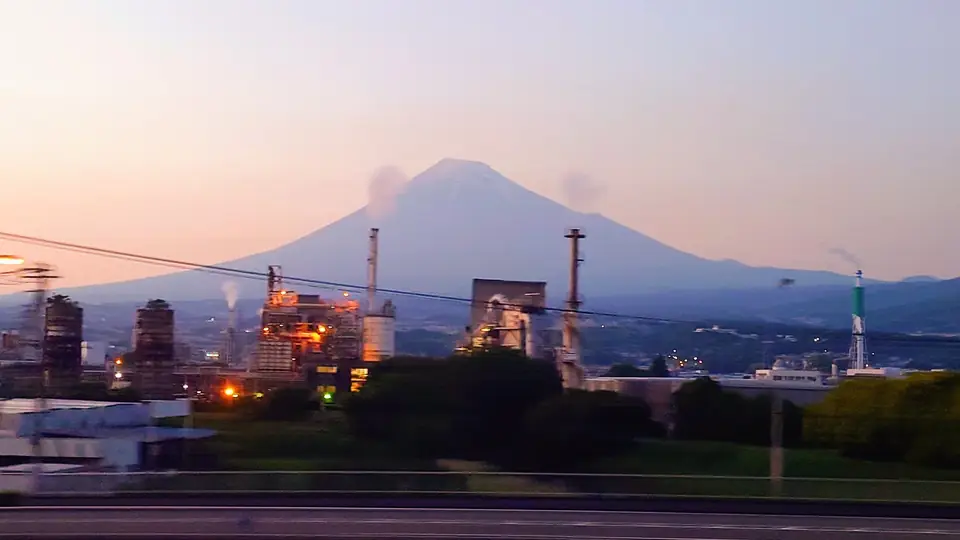 Dusk · With the factory lights
Around sunset the ridgeline and the paper mills' lights line up in one frame.
Dusk · With the factory lights
Around sunset the ridgeline and the paper mills' lights line up in one frame.
CLOUDY DAYS
Cloudy day? Watch what stands in front of Mt. Fuji
Mt. Fuji hides behind haze or cloud on roughly half the days of the year. Low cloud blurs distant mountains and wide views too, but scenery close to the track keeps its outline. At the minute you were going to look for Fuji, look at the foreground instead. Three of the five stretches have one that does not need a clear sky.
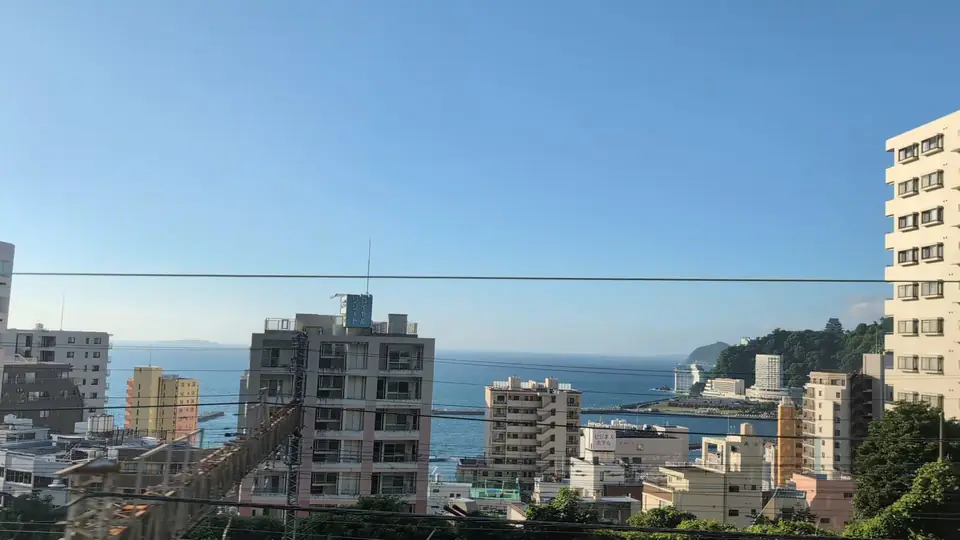
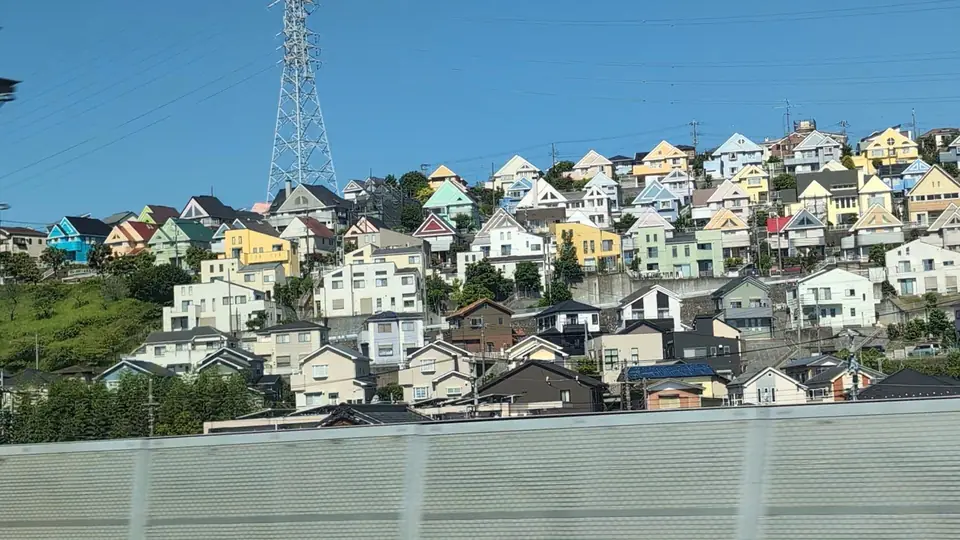 ~27 minSeat E
Stretch 1 foreground · Hinataoka
Even when the Fuji over the plain is gone, the colorful hilltop roofs are still there.
~27 minSeat E
Stretch 1 foreground · Hinataoka
Even when the Fuji over the plain is gone, the colorful hilltop roofs are still there.
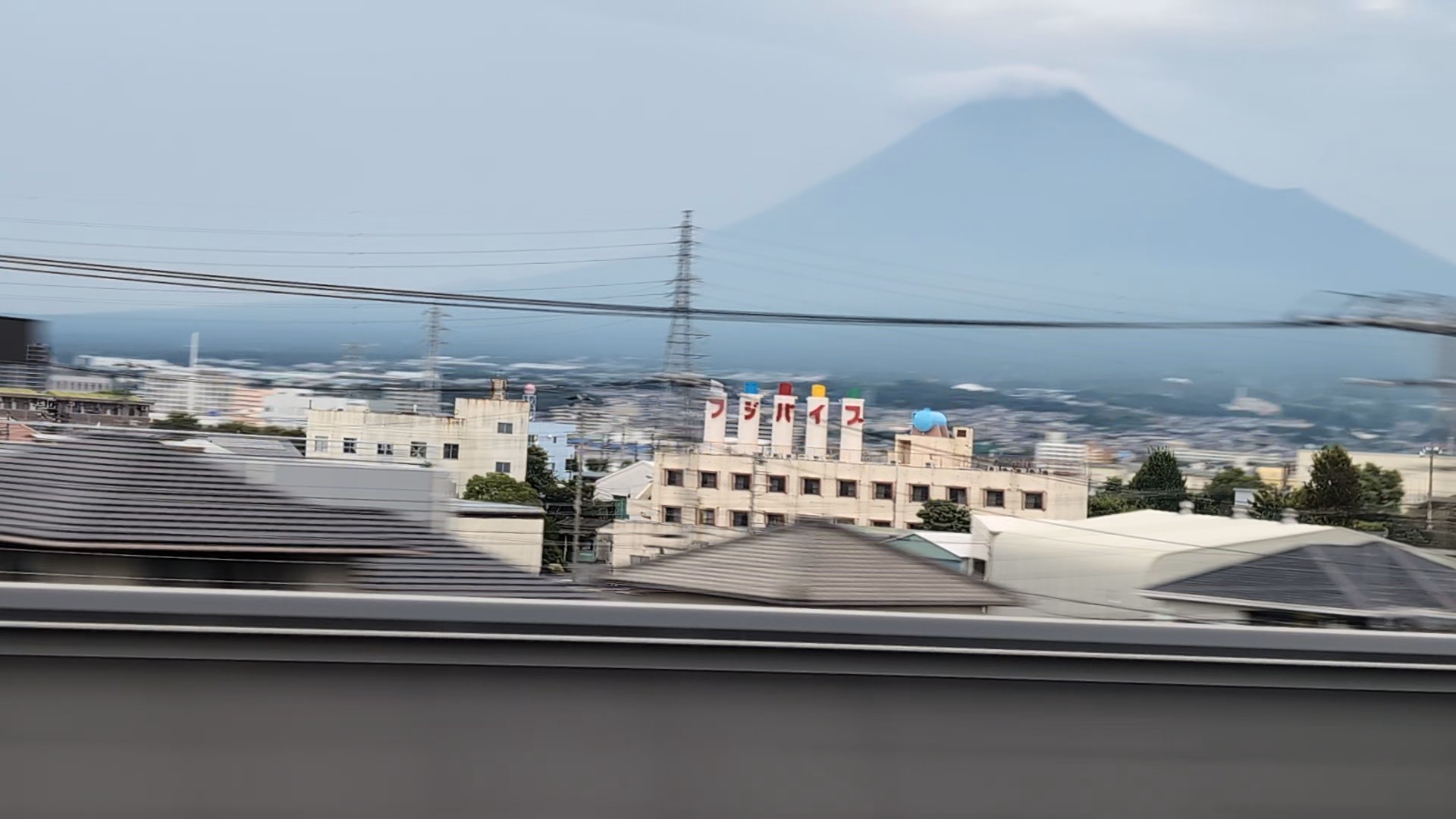
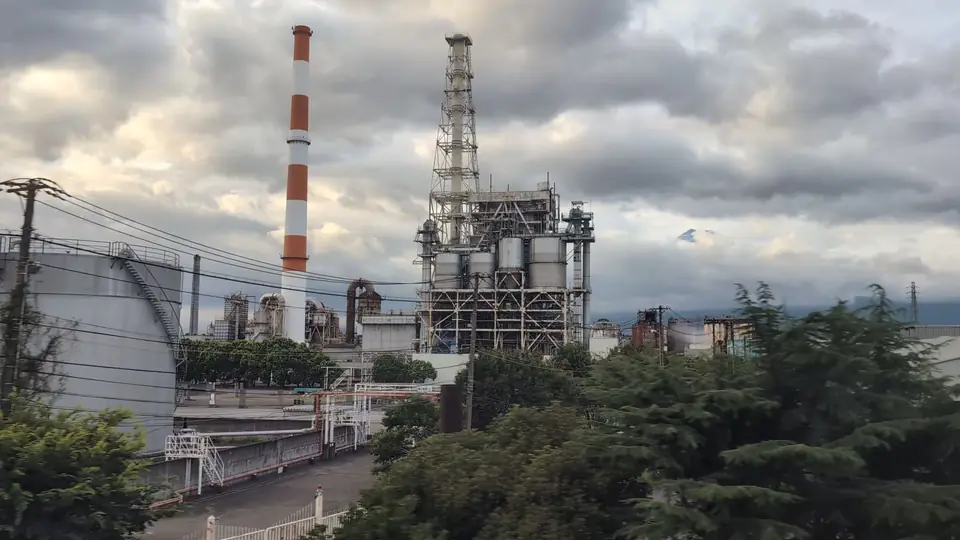 ~44 minSeat E
Stretch 2 foreground · Fuji's paper mills
On clear days they frame the mountain; on grey days the chimneys and plants take the lead.
~44 minSeat E
Stretch 2 foreground · Fuji's paper mills
On clear days they frame the mountain; on grey days the chimneys and plants take the lead.
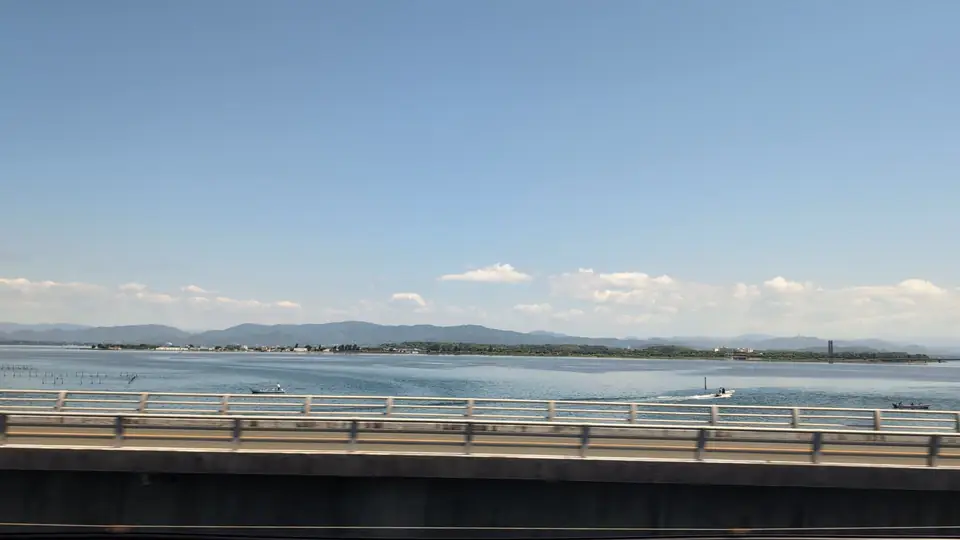 ~73 minSeat E
Stretch 5 foreground · Lake Hamana
When the far-off Fuji disappears, the lake itself stays. Grey skies make the water deeper in tone.
~73 minSeat E
Stretch 5 foreground · Lake Hamana
When the far-off Fuji disappears, the lake itself stays. Grey skies make the water deeper in tone.
Stretches 3 (Left-side Fuji) and 4 (central Tokyo) are brief or need very clear air, so do not count on them under cloud. Away from Fuji, weather-proof views such as Kakegawa Castle beside the station keep going: browse every window view in the field guide.
Night trains will not show Mt. Fuji. If you pass Mishima to Shin-Fuji after sunset, see when it gets dark and what lights up in the night views guide.
BEYOND MT. FUJI
What was that outside the train?
Some of the most memorable views are ordinary parts of Japan: bright rows of tea, long silver greenhouses, giant nets around a golf range, working paper mills, or a shrine gate standing far from the shrine itself. Start with the shape or color you remember, then learn why it is there.
SEAT E
Which side, and how to book Seat E
- Pick any train — including with a Japan Rail Pass. Nozomi, Hikari and Kodama all run on the same track, so the Fuji view is identical. A Japan Rail Pass covers Hikari and Kodama at no extra charge, and Nozomi requires a separate special ticket for pass holders. Seat E is the Fuji-side window position in ordinary cars. With a reserved-seat ticket you can choose it in advance; a Japan Rail Pass includes seat reservations on eligible Hikari and Kodama services at no additional charge. Riding on a pass? Mt. Fuji times for Hikari and Kodama are listed separately, because they are not the Nozomi times quoted everywhere. For current fares and pass conditions, check the official sources: smartEX (JR Central official booking) and japanrailpass.net. Green Car note: the Fuji-side window there is Seat D.
- Choose “E” on the seat map — ticket machine, JR office, or the smartEX app. It's the window seat of the two-seat row. Seats rotate at the terminus, so E faces Fuji in both directions. Couples: book D+E.
- If Seat E is sold out, do not force a better view. Only use another window briefly when the carriage is quiet and you can do so without blocking aisles or vestibules. Otherwise, aim for Left-side Fuji from Seat A or Lake Hamana, which works from both sides.
MORE WINDOWS
The best window views, timed to your train
The minutes shown here are Nozomi estimates. Stops and departure times change the actual schedule, so choosing your train converts all 54 views into expected passing times for that service.
OPTIONAL TRIP PLANNING
Going beyond the train window?
Affiliate links. If you book through one of these links, Michikusa may receive a commission at no extra cost to you.
 RAIL TRAVEL
Whole Japan Rail Pass
For travelers continuing beyond the Tokaido route.
View on Klook
RAIL TRAVEL
Whole Japan Rail Pass
For travelers continuing beyond the Tokaido route.
View on Klook
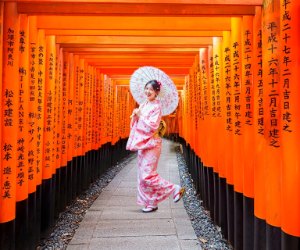 FROM KYOTO
Kyoto & Nara Day Tour
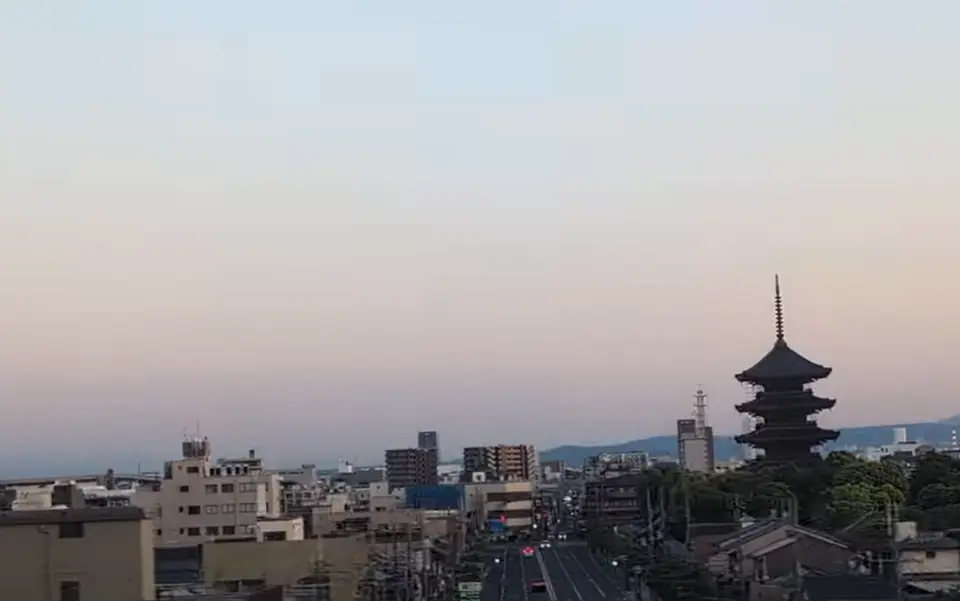
A day-trip option after Toji pagoda welcomes you to Kyoto.
View on Klook
FROM KYOTO
Kyoto & Nara Day Tour
A day-trip option after Toji pagoda welcomes you to Kyoto.
View on Klook
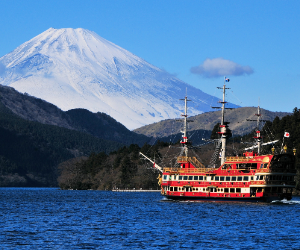 FROM TOKYO
Mt. Fuji & Hakone Day Tour
For a closer Fuji experience on another day of your trip.
View on Klook
FROM TOKYO
Mt. Fuji & Hakone Day Tour
For a closer Fuji experience on another day of your trip.
View on Klook