05 / TRANSFORMING SHINKANSEN ROBOTS
Shinkalion Real Shinkansen transform
Where does that white train body go? After watching the N700S transform, go and meet a real train.
REAL TRAIN / N700A
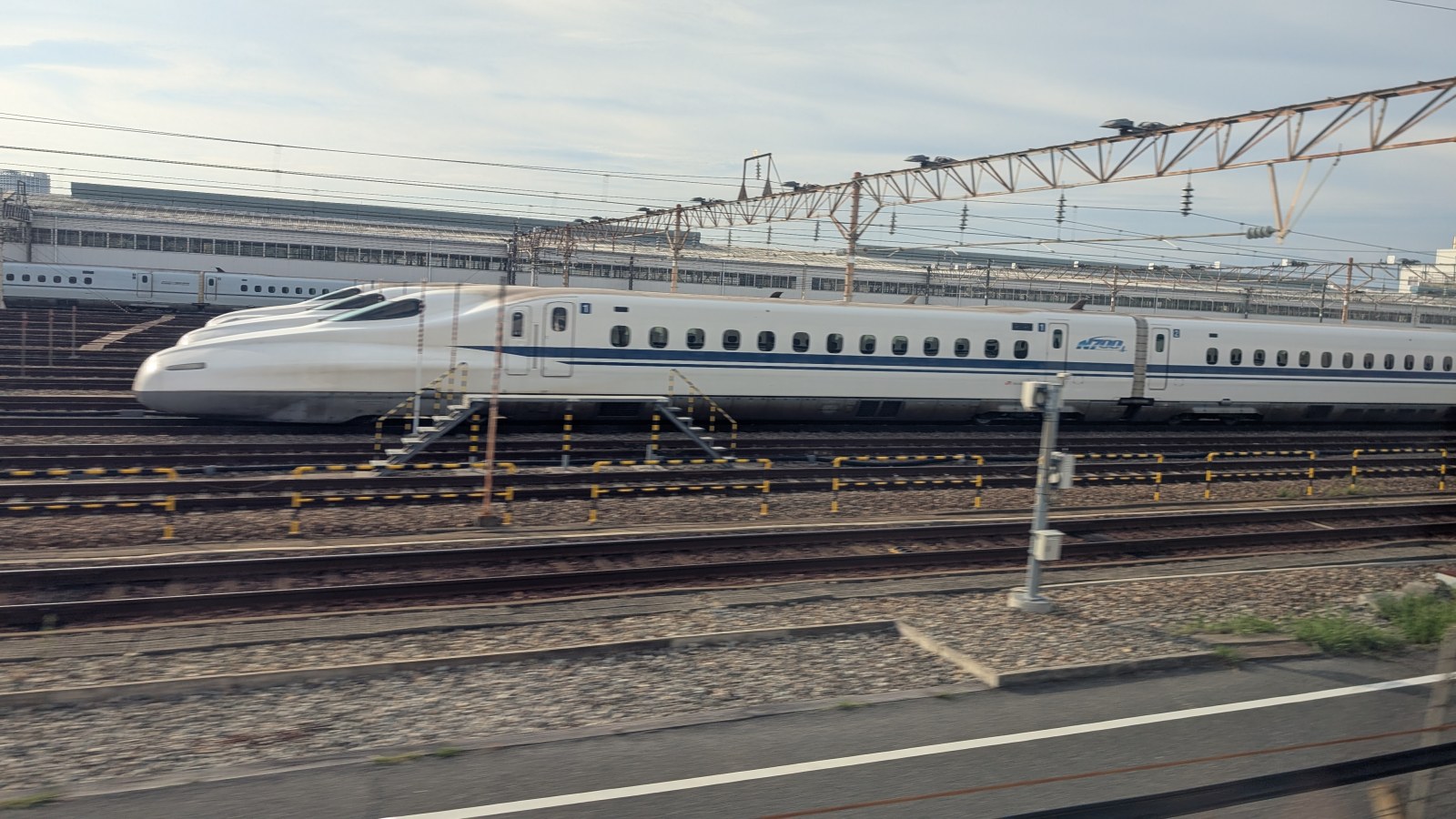
What if real Japanese bullet trains could transform into giant robots? A white train with a blue stripe, like the ones you might see on the Tokaido Shinkansen, became the starting point for Shinkalion.
You can begin even if you have never seen the series: notice a real Shinkansen on your journey, learn its name, then see how it appears in the story. You could even visit railway museums in Nagoya or Kyoto. Take a small detour between trains and stories.
01
A familiar Shinkansen takes center stage
Railway-loving children become pilots
Hayato Hayasugi, the hero of the first TV anime series, is a railway-loving boy who dreams of becoming a Shinkansen driver. The children pilot Shinkalion, a giant robot developed by a secret research institute to fight enormous enemies. Chosen to become pilots, they work with the adults at the institute to protect people.[10]
One of the series’ pleasures is how the joy of riding a Shinkansen and affection for its trains lead straight into a hero’s story. There is the green E5 heading north to Tohoku, and the white-and-blue N700A running on the Tokaido Shinkansen. Getting to know the trains on different routes also makes it fun to meet the robots based on them.
Shinkalion features transforming robots based on real Shinkansen trains. In the first TV anime, Shinkansen Henkei Robo Shinkalion, Ryuuji Kiyosu pilots the “Shinkalion N700A Nozomi.” The N700A in this photo is one of the train types connected to the series.[1]
The special PV at the top was released in 2020 to mark the arrival of the N700S.[9] A separate series, Shinkalion: Change the World, features the “Shinkalion N700S Nozomi.” This robot transforms from the N700S lead car. The difference between the A and S at the end of the train names opens a door into the stories, too.[2]
Even the power outlets help the robot
The S in N700S comes from “Supreme,” meaning the highest or best. You can see the connection to the real train in the name “Supreme Mode,” used for the robot in the PV above.[9]
The connection goes beyond names and appearance. The self-propulsion battery on the real N700S and its power outlets for mobile devices at every seat were also worked into the 2020 robot and toy setting. The battery becomes the “Transportable Battery Supreme Dragon,” which helps in battle; the outlet inspires the “Concentration Plug,” tied to a special move. In the story, real-world technology that makes journeys more comfortable and supports safety takes on a new form as a robot’s power.[9]
“Nozomi” can mean different train types
Nozomi is the name of a train service; N700A and N700S are train types. A train called Nozomi is not necessarily an N700S. Next time you see a Shinkansen at a station, take a look at the logo on its body.[3]
02
There are Shinkansen trains in Transformers, too
If you hear that vehicles turn into robots, you might think of Transformers. It is a separate series from Shinkalion, but Takara Tomy makes toys for both.[4]
Transformers also features Shouki, a Trainbot who transforms from a Tokaido Shinkansen 0 Series train. Takara Tomy’s official product page lets you compare the round-nosed 0 Series train with its robot form.[5]
Shouki is one of the Trainbots, a team of robots that transform from railway vehicles and appear in the TV anime Transformers: The Headmasters. In the MPG toy line, he changes from a 0 Series train into a robot, then combines with five other Trainbots to form the large Raiden. Shouki becomes Raiden’s chest. One train takes on different forms through transformation and combination.[5]
The idea of a Shinkansen turning into a robot appears in both Transformers and Shinkalion. The same kind of train can have a different robot form and role in each story. Looking at both helps show how Japan’s railways have become familiar subjects for imaginative stories.
If you enjoy vehicles that transform, Japan’s railways offer one more pleasure: before becoming robots, these trains really did carry passengers.
03
Imagine a secret base beneath Nagoya’s museum
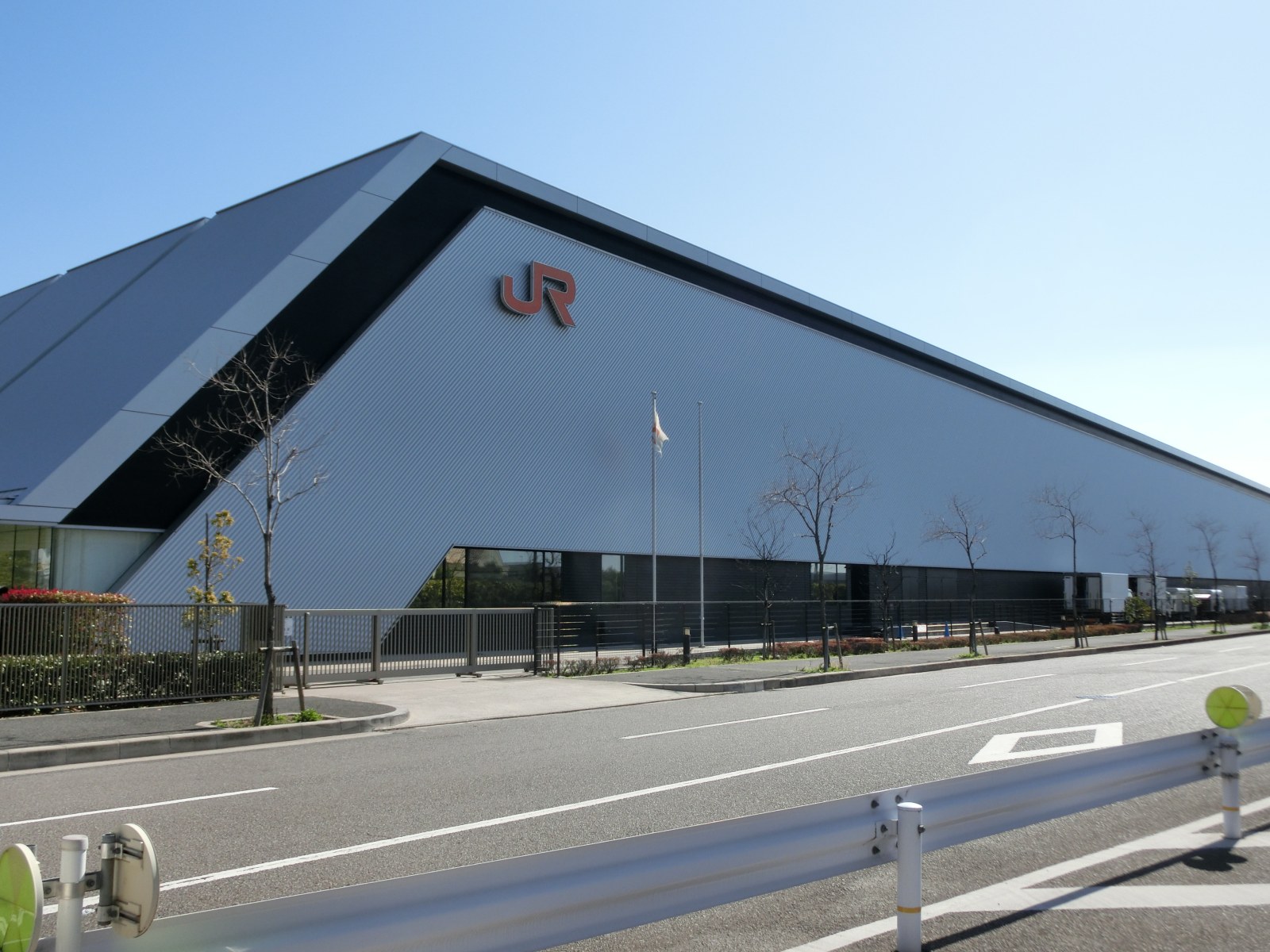
In the first TV anime series, the Nagoya branch of the Shinkansen Ultra Evolution Institute is fictionally located beneath SCMAGLEV and Railway Park. It is also the home base for robots including the “Shinkalion N700A Nozomi.”[1]
Of course, the underground secret base is fictional. At the real SCMAGLEV and Railway Park, you can get close to generations of Shinkansen, including the 0, 100, 300 and 700 Series. Comparing their nose shapes gives you a sense of the history that leads to the trains you ride today.[6]
The story is connected to real places in another way, too. Ryuuji Kiyosu, the pilot of the Nagoya branch’s N700A, is a middle-school student from Aichi Prefecture. He trained in Kyoto with Hayato’s father, Hokuto, and brings his karate experience into the robot battles. Nagoya and Kyoto are more than place names in the background: they are places people travel between and where skills are passed on.[10]
There was a reason for choosing a real museum as the story’s base. In an official talk, members of the first and second series’ production teams explained that they set the base beneath railway museums so viewers could feel a connection to the real world.[7]
- Visit after getting off the train
- From Nagoya Station, take the Aonami Line to Kinjofuto Station, then walk about two minutes. This is a detour to make after getting off in Nagoya, not a place to see from the Shinkansen window. Official access information
04
In Kyoto, a museum beyond the window
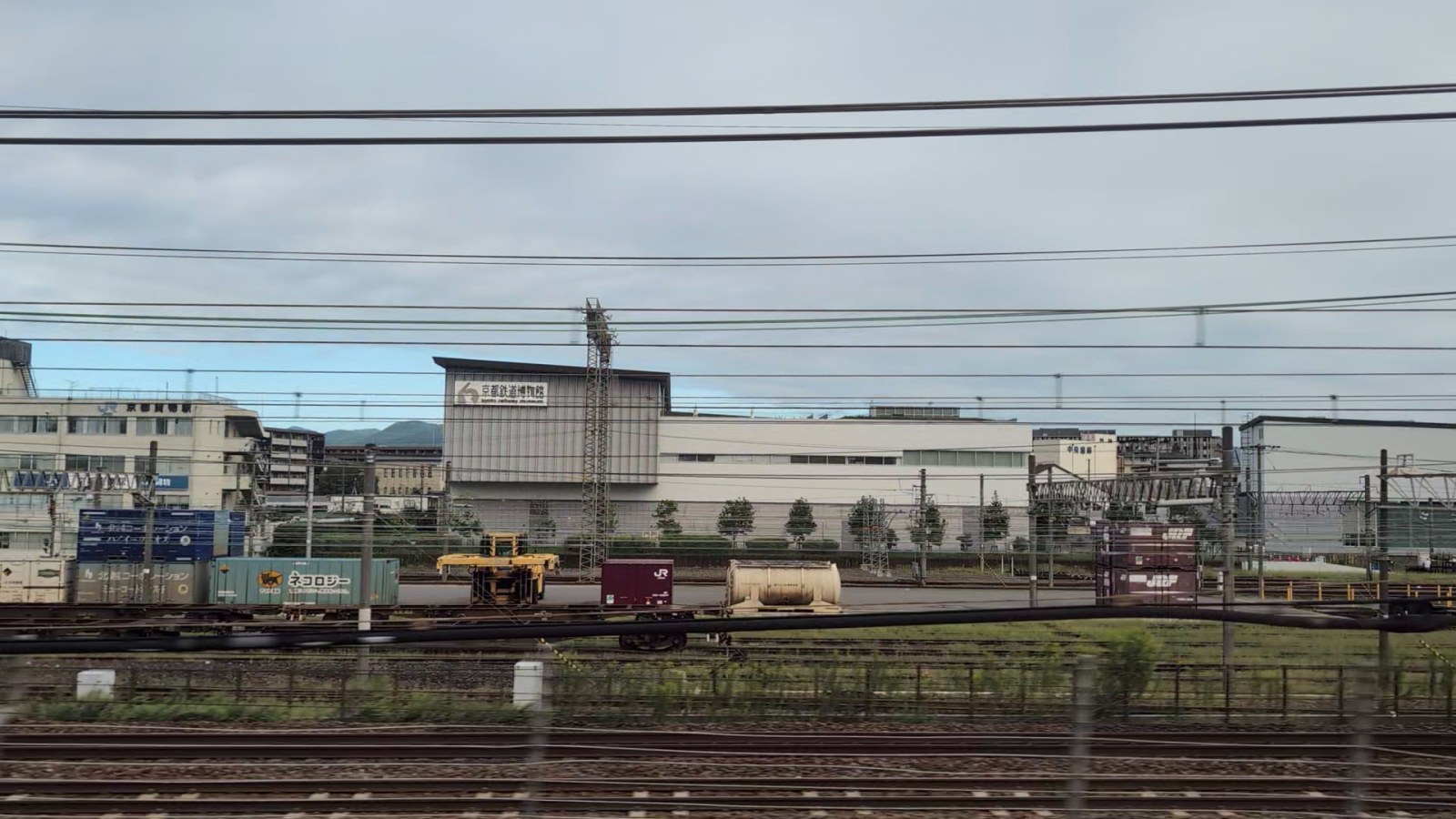
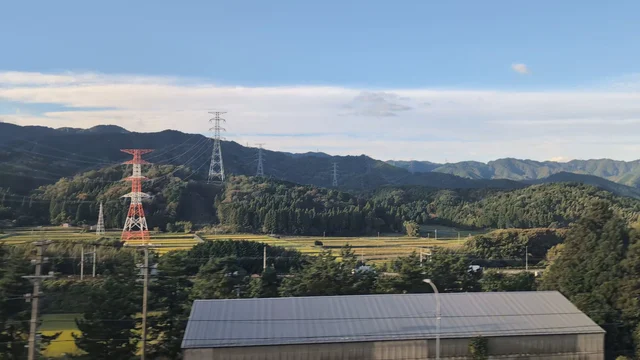
On the west side of Kyoto Station, you may catch a glimpse of Kyoto Railway Museum’s exterior from a Shinkansen window. The museum’s name appears beyond the overhead wires and freight trains.
The museum also appears in the first TV anime series as the fictional site of the Kyoto branch of the institute beneath the building. In a 2019 collaboration announcement, JR West also described this part of the story’s setting.[8]
Inside, you can see real Shinkansen, including the first 0 Series car and a 500 Series train. Compare the real 0 Series that inspired Shouki with the 500 Series, known for its long pointed nose. From a Shinkansen seen in anime or as a toy to the real train behind its design, interest sparked by two different stories leads to the same railway history.[11]
Some days you may only glimpse the museum from the window; another time, you might get off in Kyoto and visit. Once you know it is a story setting, the building beyond the tracks becomes a little harder to miss.
- Visit after getting off the train
- From Kyoto Station, take the Sagano Line to Umekoji-Kyotonishi Station, then walk about two minutes. The exterior is visible from the train window; to see the exhibits, you need to visit the museum. Official access information
The photo shows the view on the date it was taken. Passing trains, weather and other conditions may change what you see. Check each museum’s official site for opening days and current exhibitions.
05
The next Shinkansen you meet may look a little different
You do not have to watch every episode before travelling. Spot the N700A logo at a station. Take a look at the N700S as it appears in the anime. At a museum, compare the round nose of the 0 Series with today’s trains.
There are stories you may not yet know in the Shinkansen you see every day. Take one of those small discoveries along on your next journey.
Sources and photo credits
- Official glossary for the first series: N700A and the settings for the Nagoya and Kyoto branches. (Japanese)
- Official N700S Nozomi profile from Change the World. (Japanese)
- JR Central, “Tokaido Shinkansen: Continuously Improving Our Services”: N700A type and N700S. (Japanese) Exhibited real train cars. (Japanese)
- Takara Tomy, company and product history: Transformers and Shinkalion. (Japanese)
- Takara Tomy, “MPG-01 Trainbot Shouki”: transforms from a Tokaido Shinkansen 0 Series train. (Japanese)
- SCMAGLEV and Railway Park, highlights inside the museum. (Japanese)
- Official production staff talk, “Secrets of the Ultra Evolution Institute” (published February 14, 2026). Although hosted on the third-series site, the remarks cited here are from members of the first and second series’ production teams. (Japanese)
- JR West, “Shinkalion × Kyoto Railway Museum 2019” (announced July 5, 2019): a setting from the first series. This is a record of a past event, not a current event listing. (Japanese)
- Takara Tomy official announcement (Japanese PDF; English PDF, October 30, 2020): release of an original N700S Nozomi animation and its designated video URL.
- Official introduction to the first series and official character profiles: Hayato, the children and institute, and Ryuuji’s connection to Nagoya and Kyoto. (Japanese)
- JR West, Kyoto Railway Museum introduction: collection and exhibits including the first 0 Series car and 500 Series. (Japanese)
The Shinkansen and Kyoto Railway Museum photos were taken by michikusa. The SCMAGLEV and Railway Park photo was released into the public domain by its photographer. No anime stills or character images are reproduced; the page uses links and players for YouTube videos promoted by the official rights holders.